
What distinguishes manual therapy and chiropractic sessions from other physiotherapy sessions in treating herniated discs, and what is the difference between them?
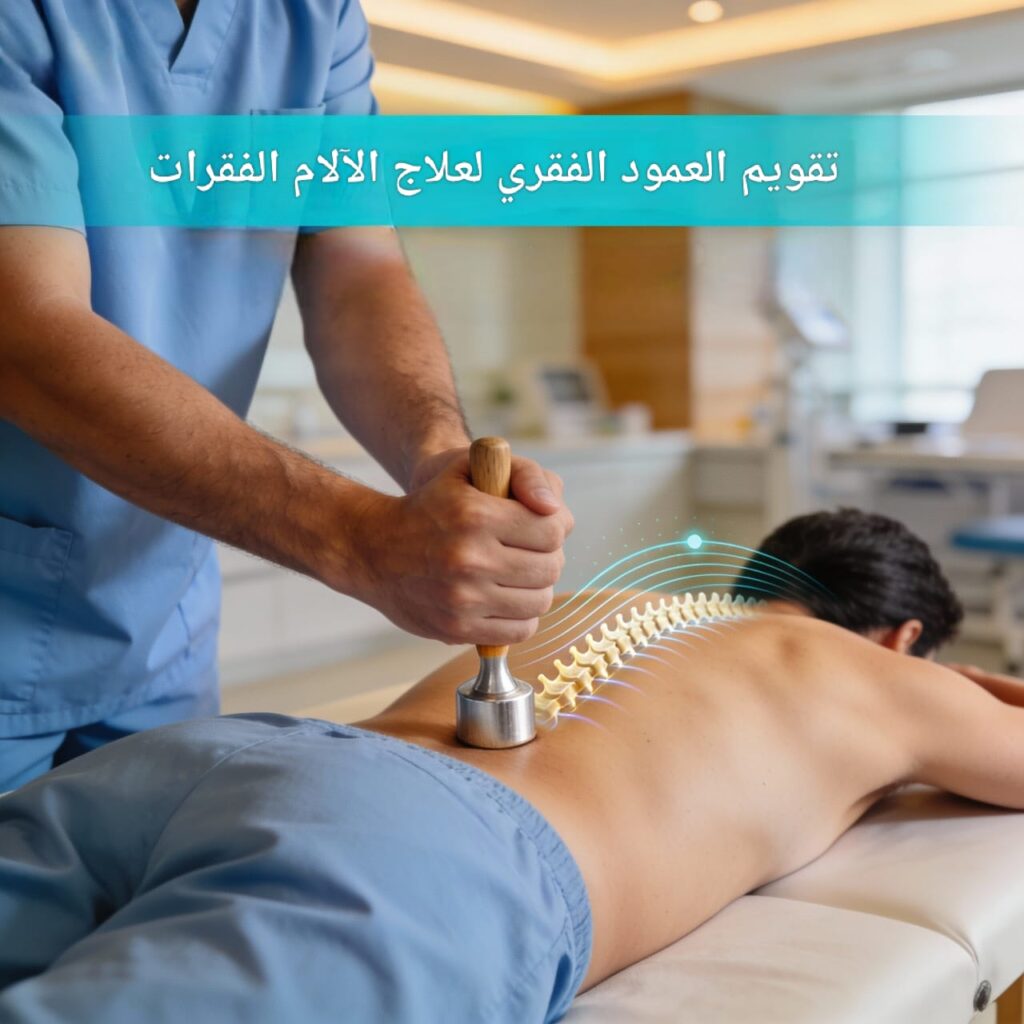
1. What distinguishes "spinal manipulation" in the treatment of herniated discs:
This specialty focuses on the biomechanics of the vertebra itself.
🔹Adjustment: The key here is realigning vertebrae that have shifted out of alignment.
In a herniated disc, the vertebra is often compressed over the disc, increasing the pressure on it. The chiropractor realigns this vertebra.
🔸Immediate nerve release: By realigning the vertebra, the direct pressure on the disc is reduced, thus relieving the compressed nerve. This helps alleviate sciatica pain, neck headaches, and numbness in the extremities caused by nerve compression.
🔹Creating negative space: Precise manual adjustment helps create a kind of vacuum or pressure relief within the herniated disc, allowing it to return to its natural position away from the nerve.
2- What distinguishes "physical therapy"
In the treatment of herniated discs:
This specialty focuses on the “support and protection” surrounding the disc.
Strengthening the supporting muscles (Core Stability): The key here is teaching the body how to protect the disc by strengthening the deep back and abdominal muscles, making them a “natural buffer.” This is only necessary when the vertebrae are healthy and intact, not during a herniated disc, as it can worsen the condition. Unfortunately, it does not treat the herniated disc itself.
– Using assistive devices: This specialty excels in using techniques such as (cold laser, ultrasound, or mechanical traction) to reduce inflammation around the disc and alleviate pain.
– Modifying motor skills: This focuses heavily on teaching the patient how to move, sit, and lift objects without further damaging the disc.

The difference between manual therapy sessions for spinal alignment and regular physical therapy sessions:
First: Manual therapy and spinal manipulation (structural) sessions help to realign the vertebrae and relieve pressure on the disc and nerves.
Physical therapy (functional) helps strengthen the muscles surrounding the disc to reduce the load on it and protect the vertebrae from impacts.
Second: The tools used in manual therapy sessions: These are purely manual tools that perform quick and precise movements and pressures to help realign the vertebrae.
Regular physiotherapy sessions, which include various exercises and electrical devices, do not address the movement and displacement of vertebrae compressing the disc, and therefore do not treat spondylolisthesis or disc herniation.
Thirdly, regarding the speed of nerve relief: Manual therapy sessions often provide positive and rapid results in acute nerve pain caused by moving vertebrae compressing the disc.
Physical therapy, however, requires a long time to build and strengthen muscles and reduce inflammation. It does not help move vertebrae compressing the disc, and therefore does not treat disc herniation.
Share this article
Suggested topics


أما جلسات العلاج الطبيعي العاديه فهي متنوعه تمارين واجهزه كهربائيه ولا تعمل على تحريك ورد الفقرات الضاغطه على الغضروف وبالتالي لا تعالج الانزلاق الفقارى أو الغضروفي.
ثالثا/ السرعةفى تسكين العصب:
جلسات المعالجه اليدويه غالباً ما تعطي نتائج إيجابية وسريعه في الآلام الأعصاب الحاده بسبب تحريك الفقرات الضاغطة على الغضروف .
أما العلاج الطبيعي physical Therapy : يحتاج وقت طويل لبناء العضلات وتقويتها وتقليل الالتهابات ولا يساعد في تحريك الفقرات الضاغطة على الغضروف وبالتالي فإنه لا يعالج مشاكل الانزلاق الغضروفي.
Copyright © 2024 Egypt Chiropractic Center | All Rights Reserved & Powered by Infinity Creative